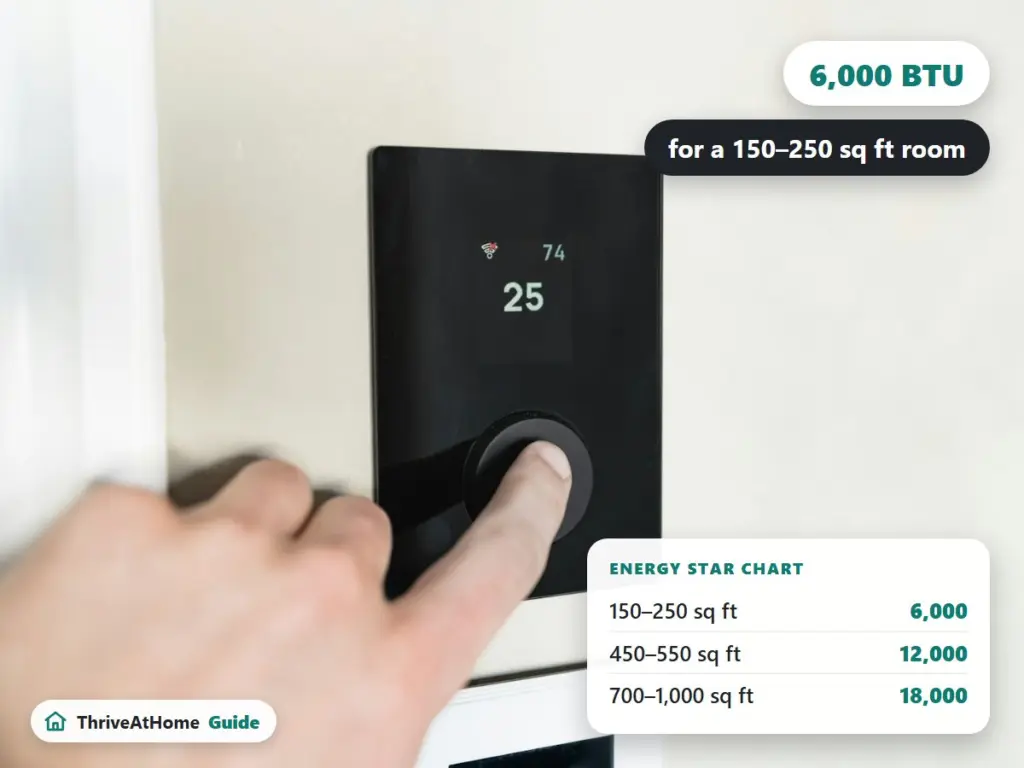
A BTU (British thermal unit) is how air conditioners and heaters are rated. Enter your room size below to see how many BTUs you need to cool it, using the official ENERGY STAR sizing chart, or switch to the heating tab for a heater estimate based on your climate. As a ballpark, a 150–250 square foot bedroom needs about 6,000 BTU of cooling, and a 450–550 square foot living room about 12,000 BTU.
BTU Calculator
Size an air conditioner or heater for one room. Results update as you type.
–
The ENERGY STAR air conditioner sizing chart
This is the chart ENERGY STAR publishes for room air conditioners, based on 8-foot ceilings:
| Area to cool | BTU per hour |
|---|---|
| 100 to 150 sq ft | 5,000 |
| 150 to 250 sq ft | 6,000 |
| 250 to 300 sq ft | 7,000 |
| 300 to 350 sq ft | 8,000 |
| 350 to 400 sq ft | 9,000 |
| 400 to 450 sq ft | 10,000 |
| 450 to 550 sq ft | 12,000 |
| 550 to 700 sq ft | 14,000 |
| 700 to 1,000 sq ft | 18,000 |
| 1,000 to 1,200 sq ft | 21,000 |
| 1,200 to 1,400 sq ft | 23,000 |
| 1,400 to 1,500 sq ft | 24,000 |
| 1,500 to 2,000 sq ft | 30,000 |
| 2,000 to 2,500 sq ft | 34,000 |
Then adjust for your room
- Heavily shaded room: reduce by 10%.
- Very sunny room: increase by 10%.
- More than two people regularly in the room: add 600 BTU for each extra person.
- Kitchen: add 4,000 BTU.
- Ceilings taller than 8 feet: ENERGY STAR suggests more capacity. The calculator scales by ceiling height, so a 10-foot ceiling counts as 25% more space.
Window vs. portable AC: compare the right number
Window units are rated in plain BTU per hour, so you can compare them directly with the calculator. Portable air conditioners are different. In the U.S., their boxes list a SACC (seasonally adjusted cooling capacity) rating from the Department of Energy’s test, often next to a larger “ASHRAE” BTU number. The SACC figure reflects real-world losses from the exhaust hose and warm air leaking back in, so it’s usually much lower. Match the SACC number, not the bigger one, to your result.
How many BTUs to heat a room?
There’s no official chart for heating, so the calculator uses a common contractor rule of thumb based on climate:
| Climate | BTU per sq ft | 200 sq ft room |
|---|---|---|
| Warm | 30–35 | 6,000–7,000 BTU/h |
| Mixed | 35–45 | 7,000–9,000 BTU/h |
| Cold | 45–50 | 9,000–10,000 BTU/h |
| Very cold | 50–60 | 10,000–12,000 BTU/h |
Insulation, window area and drafts can move these numbers a lot, so treat them as a starting point for a space heater or a supplemental unit. Sizing a furnace or a whole-house heat pump calls for a proper Manual J load calculation.
BTU, tons and watts
| Conversion | Value | Example |
|---|---|---|
| 1 ton of cooling | 12,000 BTU/h | An 18,000 BTU unit is 1.5 tons |
| 1 watt | 3.412 BTU/h | A 1,500 W space heater gives about 5,100 BTU/h |
| 1,000 BTU/h | About 293 watts | A 10,000 BTU/h heating need is about 2,900 W of electric heat |
Common sizing mistakes
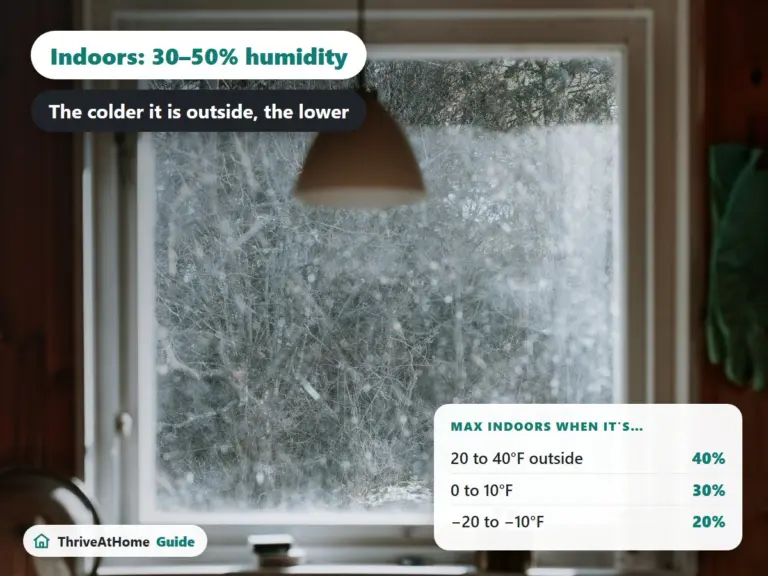
- Buying the biggest unit that fits the budget. ENERGY STAR notes that an oversized air conditioner doesn’t cool better. It short-cycles and leaves the room humid.
- Ignoring the sun. A west-facing room with big windows can need 10% more cooling than the same room on the shady side.
- Using one unit for two rooms. Cool air doesn’t travel well around corners or through doorways. Size for the room the unit is actually in.
- Comparing a portable’s ASHRAE number with a window unit’s BTU. Use SACC for portables.
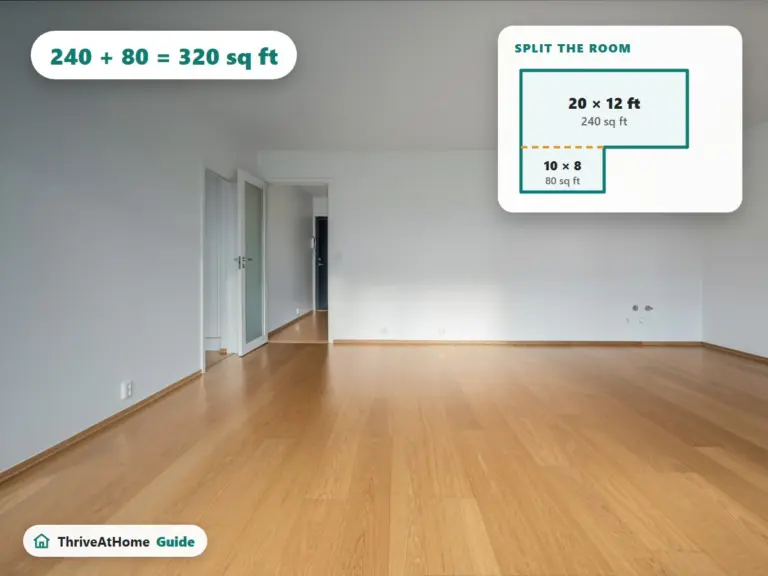
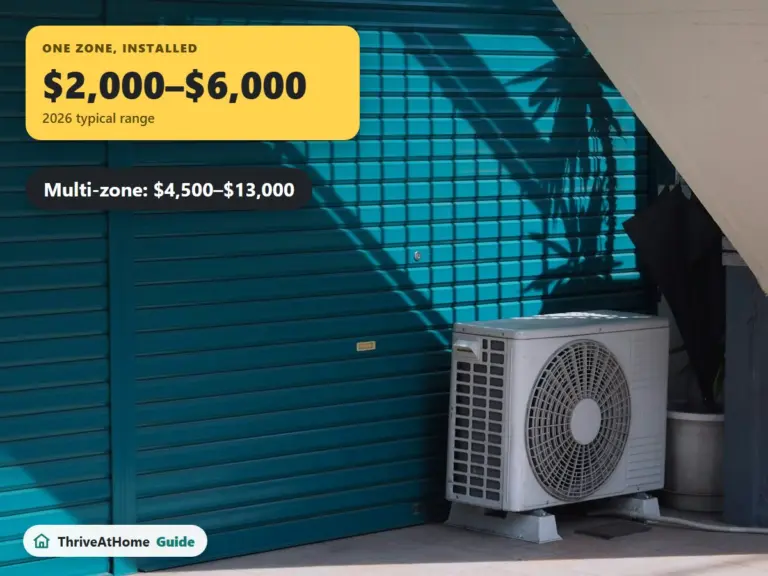
Cooling several rooms at once? A ductless system is often a better fit than multiple window units. Size every room in one go with the mini split size calculator, and see typical prices in our mini split cost guide. Not sure of your room’s area? Start with the square footage calculator.
A few rooms, already worked out
- A 12 × 12 bedroom (144 sq ft) needs about 5,000 BTU of cooling with 8-foot ceilings. If it gets a lot of sun, a 6,000 BTU unit is the safer pick.
- A 500 sq ft living room needs about 12,000 BTU of cooling per the ENERGY STAR chart. For heating, plan on roughly 15,000 to 30,000 BTU/h depending on your climate and insulation.
- Got a 10,000 BTU unit already? It’s sized for about 400 to 450 sq ft with 8-foot ceilings and average sun.
- Tempted to buy bigger “just in case”? Don’t. An oversized unit cools the air fast but shuts off before it pulls out the humidity, and the room ends up cold and clammy. Match the room, or take the next standard size up if you land between two.