Winter has a funny way of making a house too dry and too wet at the same time. The doorknobs zap you all afternoon, and the next morning there’s a puddle on the bedroom windowsill. It looks like two different problems, but it’s really one number misbehaving: indoor relative humidity.
- Static shocks from every doorknob
- Gaps opening between floorboards
- Wood furniture and doors that rattle or crack
- Fog or frost on the inside of the glass
- Water pooling on windowsills by morning
- A musty smell in cold corners and closets
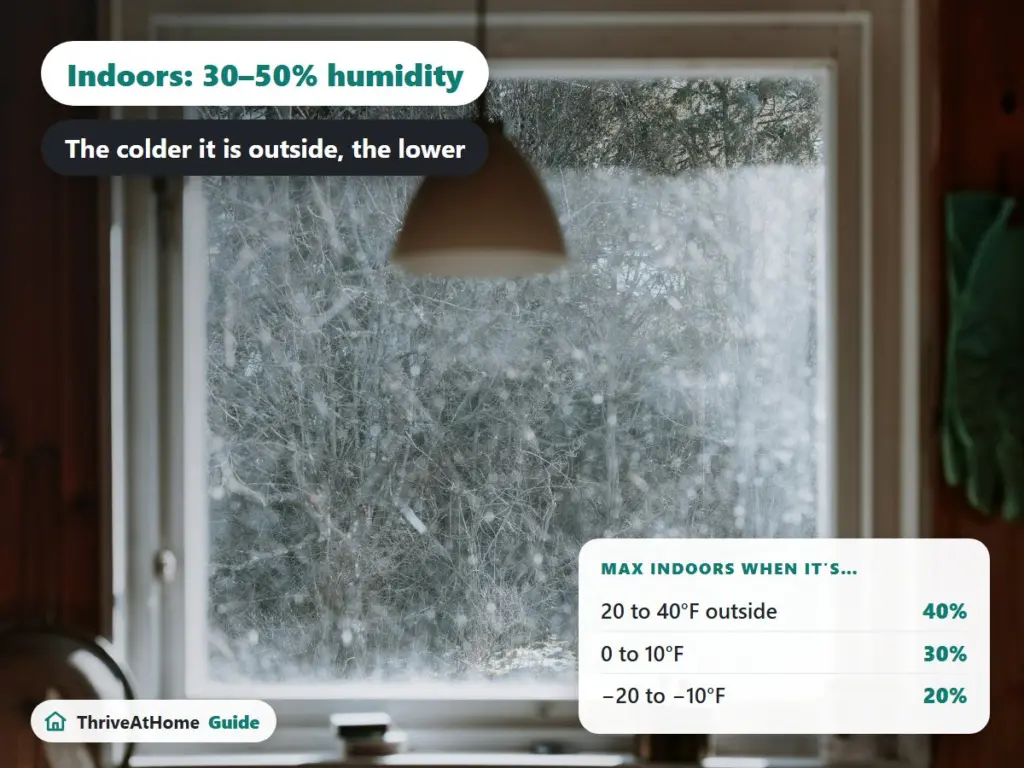
The EPA’s comfort range is 30 to 50 percent. The catch is that in winter, the right spot inside that range (and sometimes below it) depends on how cold it is outside tonight.
The answer changes with the forecast
Minnesota’s Center for Energy and Environment publishes a simple chart for this. Find tonight’s low on the left and keep the house under the number on the right:
If your winter nights rarely dip below freezing, you can live anywhere in the EPA’s 30 to 50 percent band. In a real cold snap, the windows set the limit, and the next two sections explain why.
Why heated air turns into desert air
Cold air holds very little water. Bring it inside and warm it up, and the same small amount of moisture suddenly looks like almost nothing:
Showers, cooking and the people living there add some moisture back, so most homes end up somewhere between that desert number and comfortable. It also explains why drafty houses tend to be the driest: every gap around a door or attic hatch keeps trading your warm, slightly damp air for cold, bone-dry air from outside.
Why the window gets wet first
Every room has a dew point, the temperature at which its air starts dropping water onto surfaces. Window glass is usually the coldest thing in the room, so it’s where that happens first.
That’s also why the same humidity can be fine in one house and a problem in the next. The windows make most of the difference:
Trust the gauge, not the feeling
Dry air and a chilly room feel surprisingly alike, so guessing doesn’t work. A small digital hygrometer costs about as much as a sandwich. Put it in the room where you sleep, away from the bathroom door, the kitchen and any humidifier, and give it half an hour before you believe it.
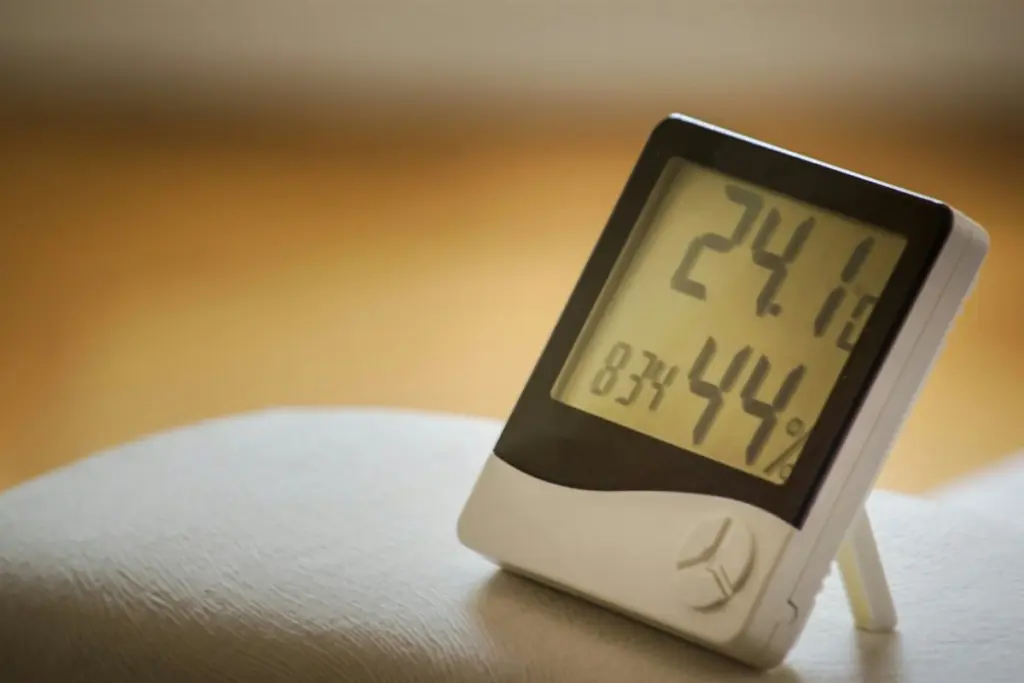
Not sure yours is honest? The old salt test takes one evening:
Put a spoonful of table salt in a bottle cap and add a few drops of water, just enough to make a damp slush.
Seal the cap and the hygrometer together in a zip-top bag and leave it at room temperature for 8 to 12 hours.
The air over salt settles at about 75%. However far your gauge reads from 75 is how far off it is.
If the house is too dry
Reading in the low 20s or teens on a mild winter day? Start at the top of this list and work down:
Humidifiers: the cleaning part nobody reads
A humidifier is a tank of standing water at room temperature, which is exactly what bacteria and mold like. The EPA’s humidifier guide comes down to four habits:
The type you own matters, too:
| Type | What the EPA says | Keep in mind |
|---|---|---|
| Ultrasonic / impeller (“cool mist”) | Disperse the most minerals and microorganisms into the air | White dust on furniture means minerals are getting out. Switch to distilled water. |
| Evaporative | Release less, but any unit with standing water can grow something | The wick or filter needs replacing on the maker’s schedule. |
| Steam vaporizer | Release less, but steam and boiling water can cause burns | Keep it out of reach of children. |
If the windows are dripping
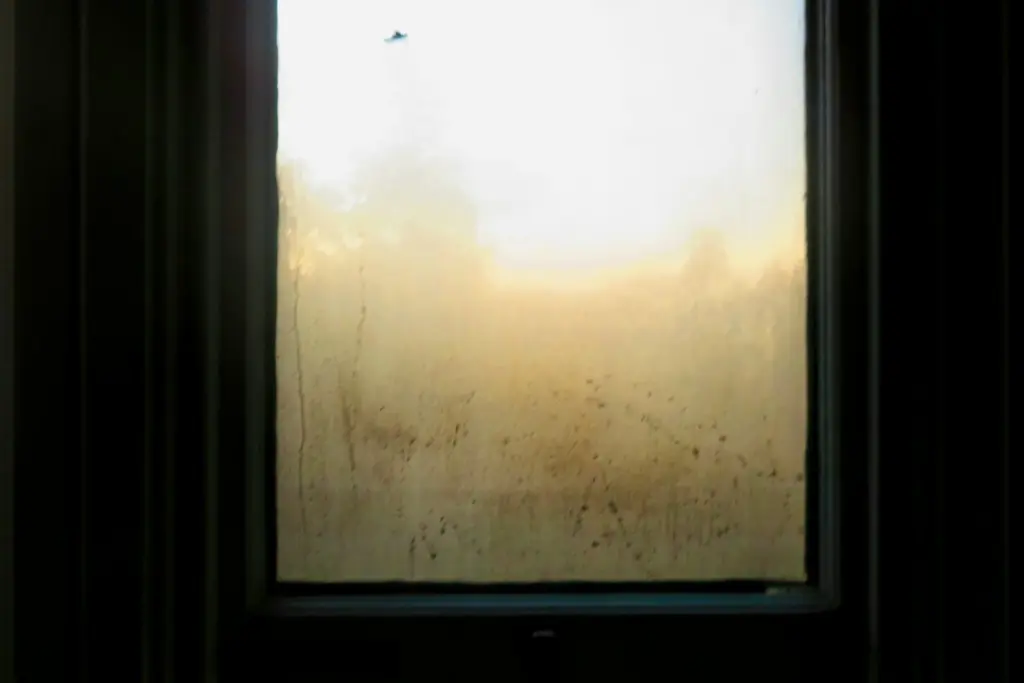
A little fog along the bottom corner of the glass on the coldest night of the year, gone by midmorning.
Water running down the pane and pooling on the sill most mornings. It soaks into wood frames and paint, and the EPA lists condensation as a sign of high humidity.
Try the cheap fixes before you blame the windows:
- Turn the humidifier down or off, including the one on the furnace. That alone fixes a lot of streaming windows.
- Use the fans you already have. Run the bathroom fan while you shower (the EPA’s advice) and the range hood while you cook, as long as it vents outside.
- Let warm air reach the glass. Heavy curtains closed tight overnight trap cold air against the window, which is exactly where the water forms. Leave a few inches open.
- Look for hidden sources: a dryer venting indoors, firewood drying in the living room, a crowd of houseplants or an unvented gas space heater.
- Wipe the sills dry each morning until it’s sorted, so water doesn’t sit on the wood.
One gauge, two settings, the whole winter
Once you have a hygrometer, winter humidity mostly comes down to glancing at the forecast:
If the house is chilly on top of being dry, our thermostat troubleshooter can help, and the space heater cost calculator shows what warming one room really costs. When the forecast says single digits, it’s also worth reading how to keep pipes from freezing.
Sources: EPA, A Brief Guide to Mold, Moisture and Your Home; EPA, Use and Care of Home Humidifiers; Center for Energy and Environment, Managing Humidity Levels. The “about 10%” and dew point figures are our own calculations using standard psychrometric formulas. General information only; see our Disclaimer.